
HACCP Certification in Belgium
CertEase offers HACCP (Hazard Analysis and Critical Control Points) Certification in Belgium to help organizations ensure the safety and quality of their food production processes. Our services include a thorough assessment of your operations, identification of potential hazards, and development of critical control measures to mitigate risks. We provide expert guidance to help you implement effective food safety management systems, enhance regulatory compliance, and safeguard consumer health. With CertEase, you can build trust with your customers, expand your market opportunities, and demonstrate your commitment to delivering safe and high-quality food products.
Looking For Certification?
Have queries?
The Ultimate Guide to HACCP Certification in Belgium: Everything You Need to Know
In the fast-paced world of food production and handling, ensuring food safety is not just a priority—it’s a responsibility. For food businesses, especially in cities like Brussels, Antwerp, Ghent, Charleroi, Liège, Bruges, Namur. HACCP certification (Hazard Analysis and Critical Control Points) serves as a cornerstone for building trust, meeting regulatory requirements, and ensuring public safety. In this guide, we’ll dive into what HACCP certification entails, its benefits, and how to prepare for the certification process.
What is HACCP Certification in Belgium?
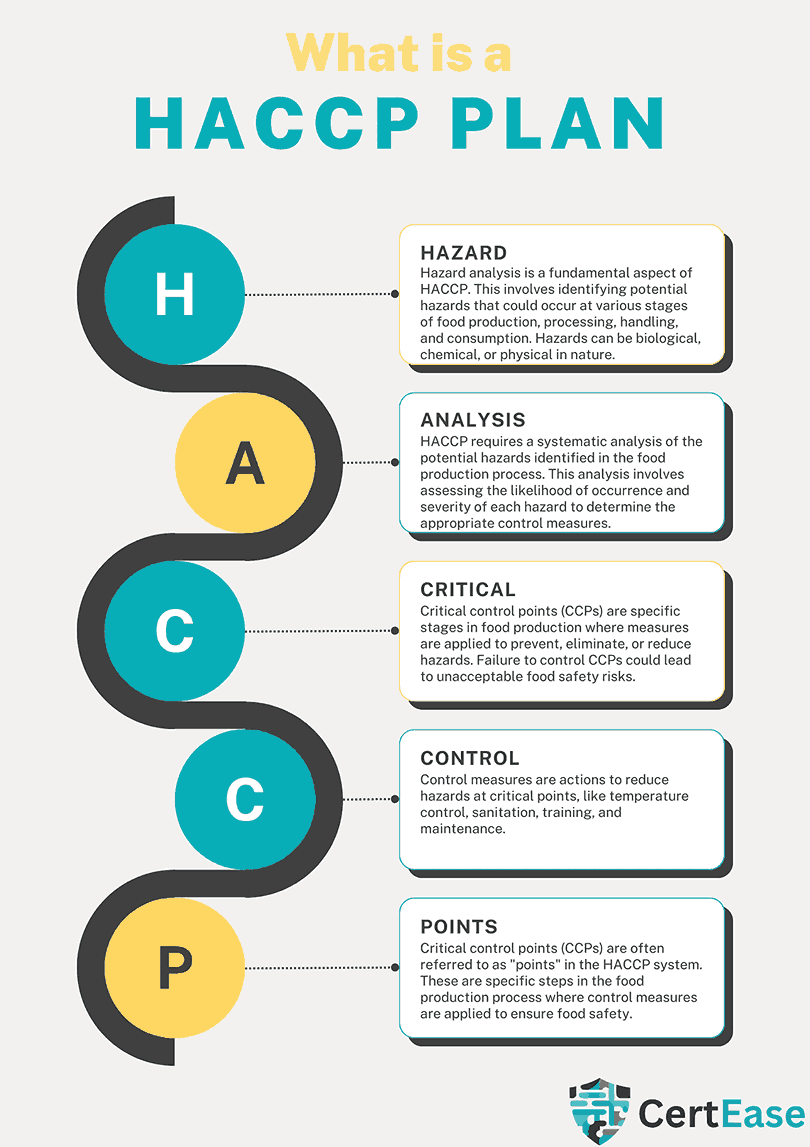
HACCP certification in Belgium is a globally recognized standard for managing food safety. It ensures that food businesses identify, evaluate, and control potential hazards in their operations, safeguarding consumers from foodborne illnesses.
Unlike general food safety protocols, HACCP in Belgium is highly systematic, focusing on identifying specific risks in the food production process and implementing preventative measures to control them.
Please fill out the details below, and one of our executives will be in touch with you shortly!
Benefits of HACCP Certification for Food Businesses in Belgium
HACCP certification offers numerous advantages for Businesses in Belgium:
- Enhanced Food Safety Compliance: Meeting stringent food safety standards in Belgium reduces the risk of product recalls and legal liabilities.
- Improved Consumer Trust: Displaying a certified HACCP logo in Belgium demonstrates your commitment to safety, boosting consumer confidence.
- Access to New Markets: Many countries and retailers require HACCP certification, making it essential for expanding your market reach.
- Operational Efficiency: The HACCP system in Belgium streamlines processes by identifying and resolving hazards early, saving time and costs.
For small businesses, affordable HACCP certification in Belgium options ensure that even with limited resources, you can achieve these benefits.
HACCP Principles in Belgium and How They Apply
The HACCP system in Belgium is built around seven key principles:
- Conduct Hazard Analysis: Identify potential food safety hazards.
- Determine Critical Control Points (CCPs): Pinpoint stages where hazards can be controlled or prevented.
- Establish Critical Limits: Define acceptable thresholds for each CCP.
- Monitor CCPs: Implement procedures to consistently check critical limits.
- Establish Corrective Actions: Develop steps to address deviations from critical limits.
- Verify the System: Confirm that the HACCP plan is working effectively.
- Maintain Records and Documentation: Keep detailed records of all processes and procedures.
Each principle is designed to ensure food safety at every stage of production, from raw material sourcing to final distribution.
HACCP Certification Requirements in Belgium
To achieve certification in Belgium, businesses must:
- Develop a comprehensive HACCP plan.
- Train staff on food safety and HACCP principles.
- Conduct regular audits to ensure compliance with the plan.
- Maintain proper documentation to provide evidence of adherence to HACCP protocols.
Utilizing HACCP certification consultants like CertEase or enrolling in online HACCP certification programs in Belgium can simplify the process, especially for small or newly established food businesses.
Steps to Develop a HACCP Plan in Belgium
Creating an effective HACCP plan in Belgium involves these key steps:
- Assemble a cross-functional team with expertise in food safety.
- Map out the food production process from start to finish.
- Identify potential hazards and determine CCPs.
- Set critical limits for each CCP.
- Create monitoring and verification procedures.
- Train staff on implementing and maintaining the HACCP plan.
For restaurants, fast-track HACCP certification in Belgium programs are available to help streamline this process.
How to Prepare for a HACCP Certification Audit in Belgium
Preparing for an audit requires meticulous attention to detail:
- Ensure your HACCP plan is updated and aligns with current regulations.
- Conduct internal audits to identify and resolve gaps.
- Train your staff on audit procedures.
- Keep all documentation organized and readily accessible.
Professional HACCP certification audit services in Belgium can help identify areas for improvement and ensure your readiness for the official audit.
HACCP Certification for Small Businesses in Belgium
Small businesses often struggle with limited budgets and resources, but HACCP certification is not out of reach. Many providers offer tailored solutions, such as:
- Affordable HACCP certification options in Belgium
- Scalable HACCP training packages
- Flexible online HACCP certification programs in Belgium
With the right approach, even small operations can achieve certification and reap its rewards.
Difference Between HACCP and Other Food Safety Certifications in Belgium
HACCP certification focuses on hazard prevention and control, while other certifications like ISO 22000 in Belgium or BRC Global Standards in Belgium encompass broader food safety management systems. Many businesses choose HACCP as a starting point due to its targeted approach and global recognition.
HACCP Certification Cost in Belgium
The cost of HACCP certification in Belgium varies depending on factors like business size, complexity of operations, and training needs. For small businesses, affordable packages and HACCP training and certification bundles can significantly reduce costs.
Finding HACCP Certification Services Near in Belgium
HACCP certification is essential for food businesses especially in cities like Brussels, Antwerp, Ghent, Charleroi, Liège, Bruges, Namur committed to ensuring safety, compliance, and customer trust. By understanding the requirements, applying HACCP principles, and seeking professional guidance when needed, businesses can successfully navigate the certification process.
Whether you’re a small business owner, a restaurant operator, or a large-scale manufacturer, achieving HACCP certification in Belgium is a valuable investment in your brand’s reputation and public health.
Ready to get started? Explore Our services like HACCP certification consultants, audit services, or online HACCP certification programs to take the next step toward food safety excellence.
How CertEase Can Help?
CertEase’s team of expert consultants offers tailored solutions for businesses across the food supply chain. From initial gap analysis to full implementation and certification, we guide you through each step of the food safety certification process to ensure that your business is fully compliant and operationally efficient.

Protect Your Consumers and Business Today
Food safety is not just a legal requirement but a vital part of building a sustainable and trustworthy brand. Contact CertEase today to learn how we can help you achieve food safety excellence through our range of certification services.

10+
Years of Experience
Why Should You Choose Us?
You’re partnering with a company dedicated to making certification simple, efficient, and effective for your business.
- Expertise Across Industries – With deep knowledge of international standards like ISO, RoHS, CE Marking, and more, we provide tailored solutions for various sectors including healthcare, manufacturing, IT, and services.
- Comprehensive Support – From consultation and training to audits and certification, our end-to-end services ensure a smooth, hassle-free certification process.
- Global Reach – We serve clients worldwide, ensuring compliance with regional and international regulations, no matter where your business operates.
- Proven Track Record – Our team’s success in securing certifications for organizations across the globe speaks to our commitment to quality and client satisfaction.
- Customized Approach – Every business is unique, and we offer personalized services that cater to your specific certification needs, ensuring efficiency and optimal results.
- Ongoing Guidance – Our support doesn’t end with certification; we provide ongoing guidance to help maintain compliance and continuously improve your processes.
Email:
Contact@certease.com
Open Hours:
Mon-Sat: 9am - 6pm